
I waited over a year for that appointment. One year, and two months to be exact. When I received notification through the mail in April of 2018 telling me when to show up for my consult, I read the letter thinking, “Shoot, they’ve got a typo on this date”. So I called it in to confirm their error.
As the line buzzed it hit me, maybe it’s not a typo. Maybe it just takes a long time to get into an appointment like this because they want the patient to give the decision more generous consideration, it is major surgery after all. Elective surgery to modify the human body.
The receptionist answered, confirming my last-minute hunch. Indeed, I would have to wait until the following summer to discuss my breast augmentation choices with a surgeon. Darn. I soothed myself knowing I still had my life, and this could wait. The breast cancer that prompted the appointment for me came and went fast. What’s another spin around the sun?
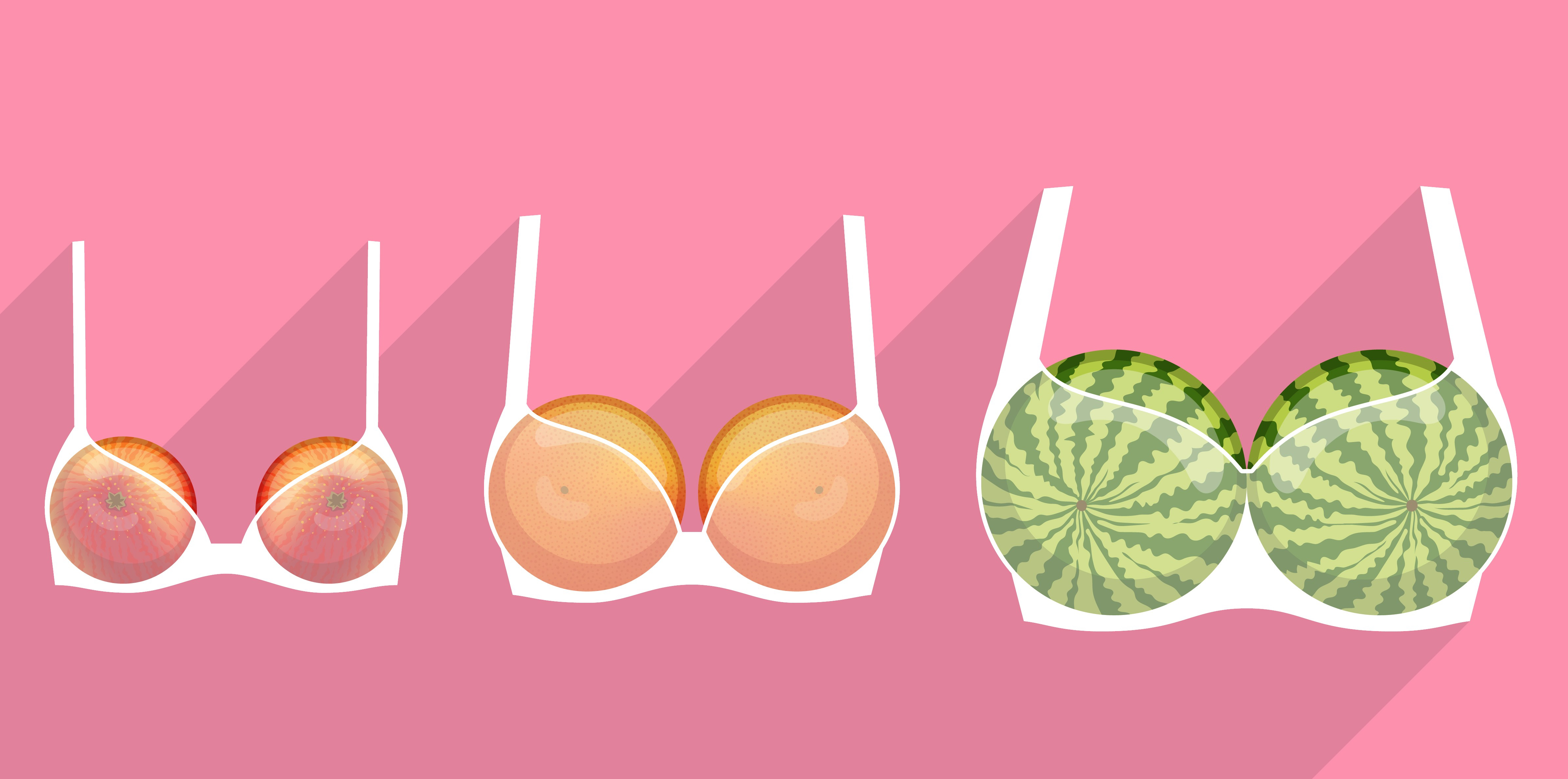
“I’ll have to live with these distorted lumps-up-front a while longer”, I quipped. The left side, where the lumpectomy left me indented was the only place cancer was found. At least the scar was healing nicely. Too bad about the divot.
It’s not like I had fabulous breasts anyway. Naturally we all start to lose collagen over 40. Though calling it by a friendly name like nature makes it no easier to stomach the impact shrinking breasts have on a grown woman’s self-image. I already struggled a lifelong battle believing my breasts were sub-par by media standards despite a few high school boyfriends who begged to differ (and one of them became my husband).
When I noticed my right side shape-shift below my own standards, my ego was deflated. It was Super Bowl Sunday 2016, pre-cancer. I spotted the apparent problem while in the shower. My little family consisting of one husband and one daughter were about to eat nachos in the basement and soak up the halftime show on the big screen. I walked down two flights of stairs wrapped haphazardly in a bath-towel from the waist down. Topless and in tears. All I could think about was being a failure. I was too distraught to cover up.
I entered our basement rec-room, looked at my husband, my daughter looked at me. With my shoulders hunched over in deep sadness I announced, “I’m losing my boobs!”, before breaking down into sobs.
When my husband stood up from the sofa and came towards me, my 10-year-old daughter did the same. In one large family circle we hugged out my body shame issues. On the boob-tube, a performance by Coldplay was about to start. Despite the American football crowd cheering excitedly through our built-in speakers, my loving little family stood together with me, embracing my sadness, consoling me for what I perceived to be the permanent loss of my femininity.
A year and a half later I was diagnosed with cancer on the other breast. That halftime memory of my dismay became nothing more than a pitiful story I could later share about the value our society wrongfully places on the fallacy of perfection, and its impact on otherwise bright minds.
Breasts give life. Breasts can take away life.
Breasts represent the goddess in all her glory. The same miraculous utility that delivers breastmilk to helpless infants is relied upon as a source of comfort. Most boys and girls are raised with the comfort of a mother’s breast nearby. Her bosom, the soft cushions next to a warm heart where a child may lay their head to rest or be consoled from pain. And as when we were young, so too it remains for many men, and some women. In adulthood breasts still console in some way or other. It can be said that breasts represent the goodness of humankind.
Centuries ago the diversity of the breast in all its glory was exposed when artists painted and sculpted the female form without fear of public shame for showing the naked body in all its possible renditions (if it pleased the king). Before the invention of photography the breast wasn’t cookie-cutter in shape or size. There were all types of breasts depicted through Renaissance art, mostly by men, as is evident by well-known works from the period, including “The Birth of Venus” by Sandro Botticelli, c.1485.
The breast is still revered today as a sacred symbol in many cultures, but until social media became the driving force behind public opinion in the 21st century, conventional media of the 20th century determined and controlled what type of breasts were appealing. Unfortunately for gals like me who grew up in that era, larger breasts were labeled the ideal. Though social media today attempts to change this antiquated notion thanks to influencers, the generations who took part in creating and following the old playbook, are still alive and well.
One older male influence in my life today shares occasional stories of large-breasted women. He glows vividly while using both hands to make out the shape of the figure he’s describing. The fact he needs to mention breast size as he tells a story about a woman or two he once admired says so much more about him than me that I appreciate he means no offence, despite my B-turned-A cups. Still, it’s a reminder that the underlying conditioning to glorify larger breasts is embedded into Gen X’ers and Boomers.
Perhaps the big-breast-size-as-ideal propaganda was created by the ad industry to sell more product in the 20th century in an effort to differentiate, spinning the value of having cleavage out of control. Post-war through Cold War, big breasts developed into a symbol for “more”, “power”, “wealth”, leading girls of the future to believe that without cleavage they would be marked-down to a lesser value to the world, leading to a body-image mental health crisis we’re only starting to deal with this decade. Perfect is a poison. And we have to remember, if someone else defines ideals for us, we are nothing more than sheepwalkers, following.
My appointment finally arrived.
I was cancer free for well over a year and it was time to fix what I thought was broken. Time to plump up my left side divot and boost my right side sag. These babies were going to get a little lift. Not a big one, but a sufficient improvement to the scoops I had come to despise so much I felt like a failure. I didn’t want a C cup, just a nice and full, well-rounded B cup.
Prepared for the expense, I had money in the bank, I was not prepared for what came next. The surgeon took photos of me topless to record my present shape. She made notes about what I wanted and took measurements. She explained where my nipples would sit again (yay – a little higher up), and then walked me through the surgery options. There were two.
Option A: covered by provincial health care because I was a breast cancer patient, I could have fat taken from one part of my body and moved into my breasts. Yes it was free but the challenge was I’d have both my arse and my breasts cut into. Owie. I didn’t like the thought of the healing post-surgery but, it’s free…
The other challenge with this method was that, by then, I was one season into my bodybuilding “flexing and posing shows” (a post-cancer decision to step outside my comfort zone). I was already low in body fat percentage. The surgeon explained further, that moving fat from one spot to the other didn’t necessarily mean that when I leaned-out for my next show that the newly located body fat wouldn’t also lean out in my breasts again. Ugh. All pain no gain?
Option B: not covered by public health insurance I would have to fork over almost $10,000 for surgical implants. (I already had it saved just in case.) As a bonus, they’d only be cutting into my breasts, not my bum. But I had to decide whether or not to have the implants placed under my pectorals – a muscle group I’d been working hard to develop – or over my pectorals where these bags of solution would look just like that – jiggly jugs beneath the skin.
The major disadvantage of this option being an unlikely but possible 6% chance of getting an autoimmune disease related to the implants. It was also June 2019 and that very same month a popular silicon implant manufacturer was in the midst of defending a class action lawsuit. A lot of women were suffering devastating side-effects. The result of a faulty product. Their lives risked. For what?
None of this felt right. I texted my husband a much shorter description of my options. I explained a little about Option A, a little bit about Option B.
What he texted back is a sentiment I will never forget for as long as I live: “What about Option C?”
“What do you mean?” I texted back.
He responded simply with, “Do nothing.”
I waited over a year for this surgical consult, possibly my entire post-pubescent life to be “one of the lucky ones” able to afford media-ranked, socially acceptable, “perfect” breasts.
In a heartbeat I knew what option I wanted most. Still I texted back, “I need to sleep on it.” I left the surgeon’s office providing no final answer, promising a decision shortly. The receptionist informed me it had to be soon or else I would miss my time-slot for a long time to come.
The very next morning I wrote the surgeon’s office a thank you note, I think I gave my husband a thank you gift, and with my mind made up I overcame my greatest body image insecurity once and for all, quite literally overnight. I chose Option C.
I love Option C. Today I proudly wear padded bras, bras with removable padding, and sometimes no padding at all showing just how small-chested I really am because it does not matter. Implants would have caused me more anxiety and worry than they were worth and who cares if I have cleavage naturally or if I fake it? My breast size will not be my legacy. I have more important things to work on.
Cancer caused me to value my life over the parts of my body. I wasn’t going to let society tell me how to look anymore. I will tell society what makes me feel fantastic. And that’s Option C.
By Penny Greening
 Body of Positive